The flange is the least glamorous part in your bathroom and the one most likely to cause four-figure damage when ignored. It is the ring that couples your toilet to the drain pipe and bolts the whole fixture to the floor. Here is how to know when yours is done.
The Warning Signs Worth Acting On
A toilet that rocks even after the bolts are snug. Water appearing at the base after flushing. Sewer smell that cleaning never fixes. Tile or vinyl discoloring around the toilet's footprint. Each points at a flange that has cracked, corroded, or sunk below floor level, and each gets worse on a schedule you do not control.
Why Swap Day Is The Cheap Day
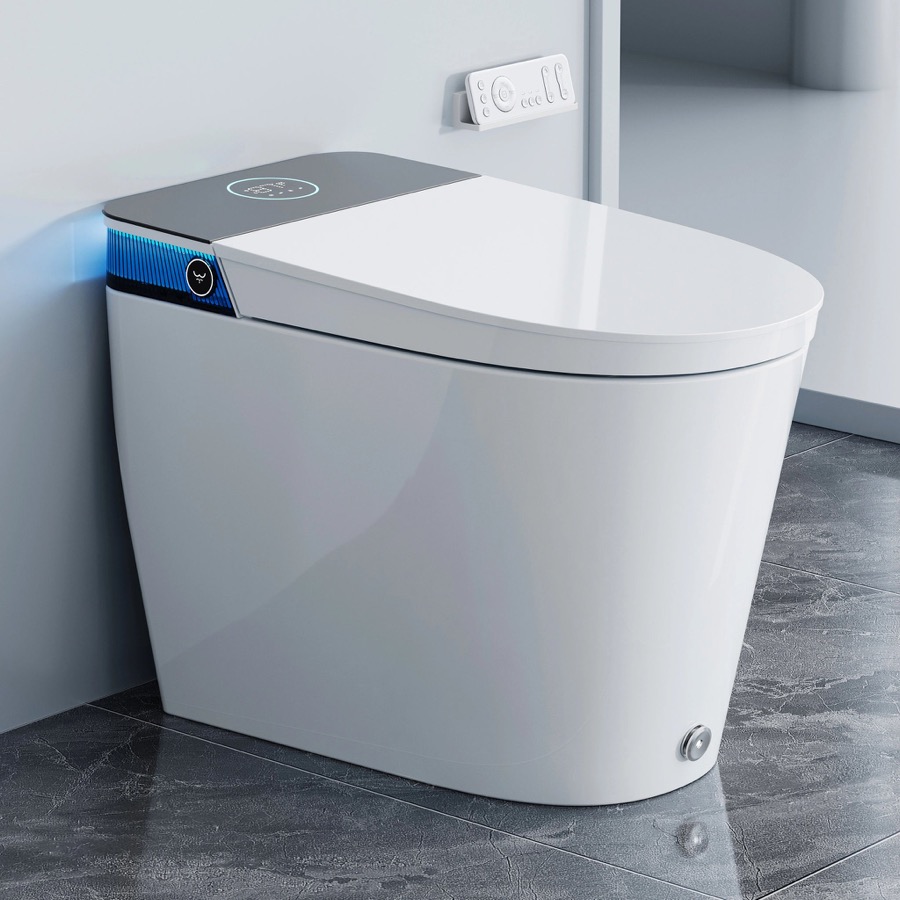
Replacing a flange requires pulling the toilet, which is exactly what already happens during a smart toilet install. The marginal cost of new flange hardware at that moment is a fraction of a dedicated service call later, which is why our packages simply include it. Doing it any other time means paying for the same labor twice.
What We Install Instead
New hardware rated for the drain type, set at correct floor height, with fresh bolts and a new wax-free seal. It is fifteen unglamorous minutes that decide whether your floor stays dry for the next decade.
Quick Answers
My toilet rocks slightly. Emergency or not?
Not an emergency, but not stable either. Rocking works the seal loose over time, and slow seepage under tile is the expensive version. Have it looked at before it graduates.