Short answer: yes. Every true smart toilet runs on electricity, because heated seats, warm-water washing, air drying, and sensor-driven lids all need power. The practical question is not whether your smart toilet needs electricity, but whether your bathroom is ready to supply it.
Why The Outlet Is The Whole Ballgame
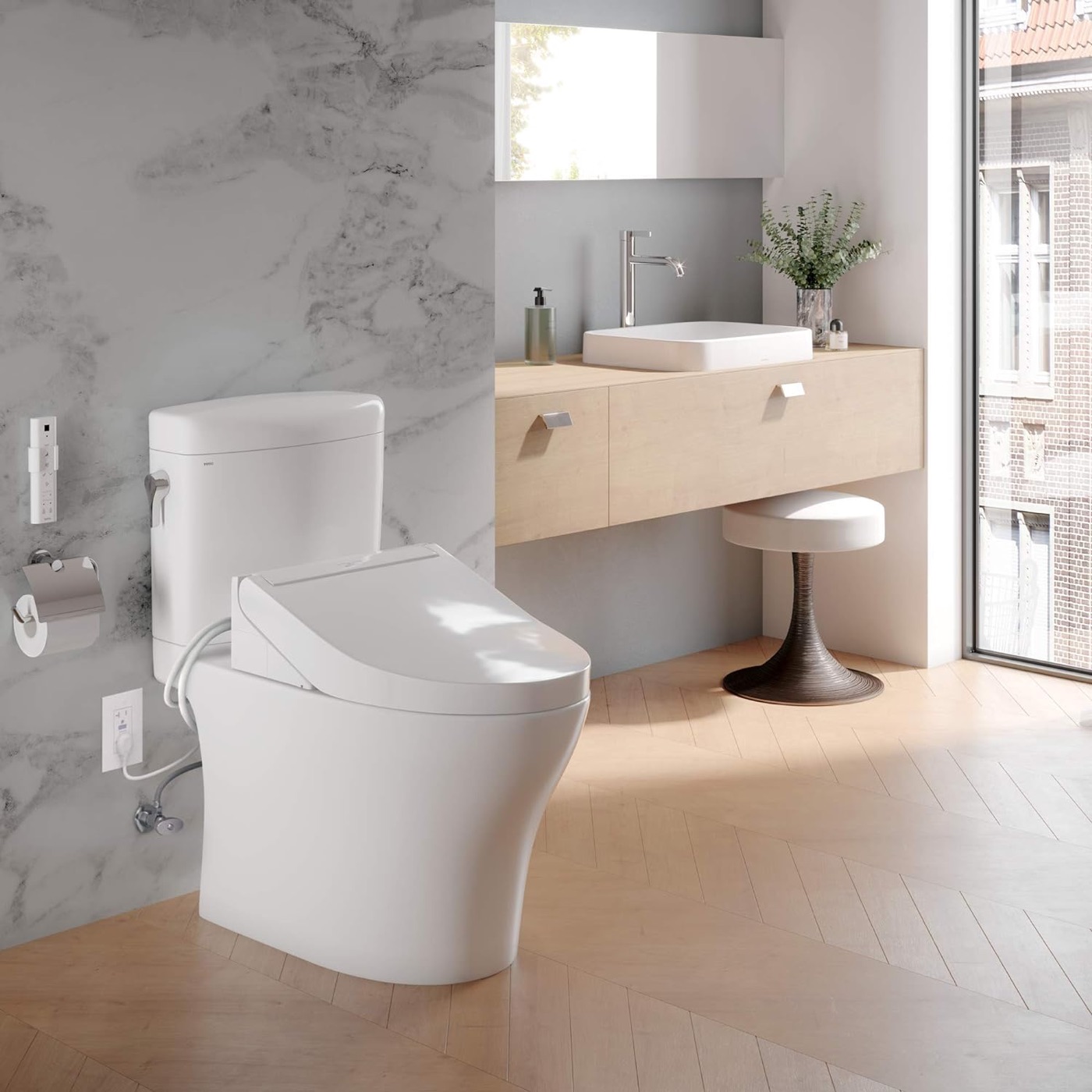
Most bathrooms have outlets at the vanity, not behind the toilet. A smart toilet needs a grounded, GFCI-protected outlet within reach of the unit, and running an extension cord across the floor is not a real solution: it is a trip hazard, it usually violates the manufacturer's install requirements, and it looks exactly as bad as it sounds.
Adding that outlet is licensed electrical work. The wire has to come from a suitable circuit, and the outlet must be ground-fault protected because it lives next to water. This is the single step that turns a simple toilet swap into a two-trade project, and it is why we made the outlet part of every package instead of an add-on.
What About Power Outages?
Reasonable worry, easy answer. Most units we install have a manual flush option or battery backup for exactly this scenario, and several Eplo models include dedicated blackout-flush capability. You will not be stranded by a winter storm.
Power Draw In Real Life
A smart toilet draws roughly what a small space heater does, but only in short bursts: warming the seat, heating wash water, running the dryer. Day to day the impact on a Utah power bill is small change, especially against the comfort you get back every single morning.
Quick Answers
Can I plug a smart toilet into an existing vanity outlet?
Only if it is within the cord's reach and GFCI protected, which is rare. In most homes the right answer is a dedicated outlet behind the toilet, which our packages include.